Breast augmentation with implants
Plastic surgery
Breasts are one of the most important attributes of femininity. Their shape and size have a real impact on self-confidence and satisfaction with one's own body. For many women, breasts that are too small or insufficiently firm can be a source of insecurity. Breast augmentation with implants is one of the most popular plastic surgery procedures, allowing not only an increase in breast size but also an improvement in shape, proportions, and symmetry.
Genetics or natural changes in the body can result in breasts that are too small or not sufficiently visible. A patient may feel that her breasts do not provide the feminine contours she desires. Whether fullness, volume, or an attractive shape is lacking, breast augmentation can help.
Procedure details
Procedure time
1-2 hours
Anesthesia
General
Stay
1-2 nights
Follow-up visits
- •After one week
- •After one month
- •After 3 months
Recovery period
- •Ability to work at a desk: 7-10 days
- •Sport: 8-12 weeks
- •Final result: 6-9 months
How does the procedure work?
We strive to accommodate the patient's wishes and expectations as fully as possible. We always create surgical plans tailored to each patient and never follow a rigid template, as this is the only way to meet expectations to the greatest extent. Precise, individualized planning allows us to achieve the best surgical outcome.
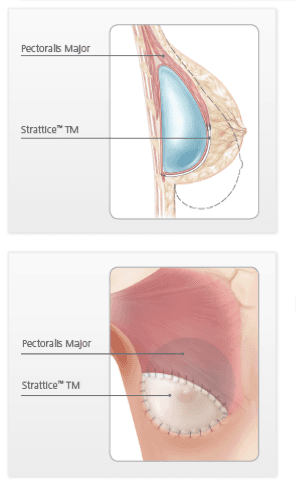
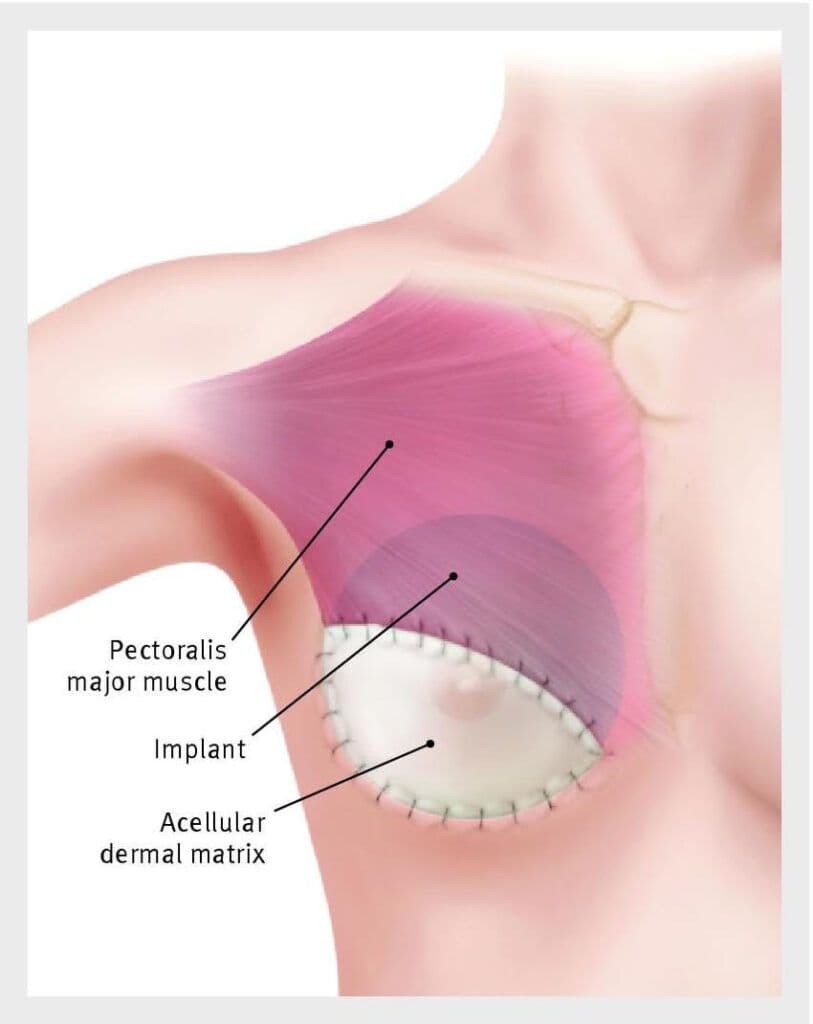
The implant can be placed under the gland, under the pectoralis major muscle, or under the pectoral fascia. In the vast majority of cases, Dr Rami Alshekh places the implant under the muscle. This technique is preferable because it reduces the risk of capsular contracture around the implant (the so-called hard breast effect) and provides a more aesthetic breast appearance.
Types of implants
There are two types of silicone implants: anatomical and round. Implants differ in shape, profile, and surface. They also vary in the cohesiveness (firmness) of the silicone gel. Another important factor is the breast size the patient expects after surgery. During the consultation, a joint decision is made with Dr Rami regarding the type and size of implant that will best meet the patient's goals, while the surgeon also takes anatomy into account.
Important:
Breast implants do not make breast cancer diagnosis more difficult and do not increase the risk of breast cancer.
They do not have a significant impact on breastfeeding.
According to the FDA (U.S. Food and Drug Administration), implants are a safe method of breast augmentation.
BIA-ALCL (Breast Implant-Associated Anaplastic Large Cell Lymphoma)
Since 1997, breast implant-associated anaplastic large cell lymphoma (ALCL) has been recognized. Since then, research has continued into the cause of this disease and its links to breast implants. ALCL usually appears on average about 8 years after implant placement as fluid around the implant (seroma), swelling, and lumps. Enlarged lymph nodes have sometimes been observed.
This lymphoma is characterized by a relatively high treatment success rate (around 93%). Treatment consists of removing the implant together with the surrounding fibrous capsule. Systemic treatment (radiotherapy, chemotherapy) is very rarely indicated.
Most cases were associated with the use of highly textured implants, but there is no evidence that smooth-surface implants protect against its development.
It should also be remembered that in the case of breast augmentation:
For slender patients, all revision breast procedures (capsulectomy, etc.), and preventively during implant placement and breast lifts, Dr Rami recommends mesh or membrane placement (ADM - acellular dermal matrix). The meshes used by the doctor are Galaflex and Epiflex (ADM). This significantly reduces the risk of implant displacement and capsular contracture around the implant.
Required pre-operative tests
Basic tests
Specialized tests
Note: Note: Any additional required tests will be discussed during the consultation. All tests must be performed no earlier than 30 days before the procedure.
Frequently asked questions
Price list
Breast augmentation with implants
Co zawiera cena:
Uwaga: Prices may vary depending on the patient's individual needs and the implants selected. An exact quote will be provided during the consultation.
See more useful information
Have questions?
Book a consultation with Dr Rami Alshekh to discuss your expectations and learn more about breast augmentation.